Latest posts
-
Nobody Will Ask You To Diagnose Your Talent System. Do It Anyway.

Part 1 of two. Not how to do talent management, but how to read the one you have joined. Two organisations. Both profitable, both leaders in their sector. The first promotes by grade and tenure. Nobody’s increment differs from anybody else’s by more than three percent. Development is open to everyone. People stay fifteen years.
-
How To Diagnose Culture Before You Spend On The Wrong Fix
You run a quarterly engagement survey. It says people do not feel heard. You and your boss sit down to make sense of it and the whiteboard fills up fast: no culture of listening, not enough channels to speak up, managers who need to listen better, a loop you never closed from last time, leadership…
-
You Cannot Workshop Your Way Into Culture Change

What Ford’s turnaround really reveals about crisis, assumptions, and the limits of culture programs In 2006, Ford was close to collapse. It was about to report a loss of $12.7 billion, the worst single year in its history, and over the next three years it would lose more than $30 billion. The company had become…
-
Five Reasons Your Team Can’t Set SMART Goals (And None Of Them Are About The Acronym)

It’s been 45 years since George T. Doran gave us the SMART framework. So why are we still struggling with the basics? Last month, a practice leader – someone responsible for a team of fifty – reached out to me with a familiar request. “We need an L&D intervention on SMART goals,” she said. “I’ve…
-
My Job Was My Life’s Purpose. I Just Didn’t Know Until I Left

Eight weeks without a job title made me question where meaning actually lives. I resigned five weeks ago. Three weeks remain. There is a role waiting on the other side, but right now, in the middle of this notice period, I am sitting on my couch with a show playing on my tablet and a…
-
Protecting Learning In Work When The Work No Longer Requires Learning
Everyone in L&D knows the 70:20:10 model. Seventy per cent of professional development happens through on-the-job experience. Twenty per cent through social learning – mentoring, feedback, observation. Ten per cent through formal training (Lombardo & Eichinger). The profession has spent decades building ever-better interventions for the 10 per cent: workshops, e-learning, leadership programmes, competency frameworks,…
-
AI Can Do Your Basic’s. That’s The Problem.
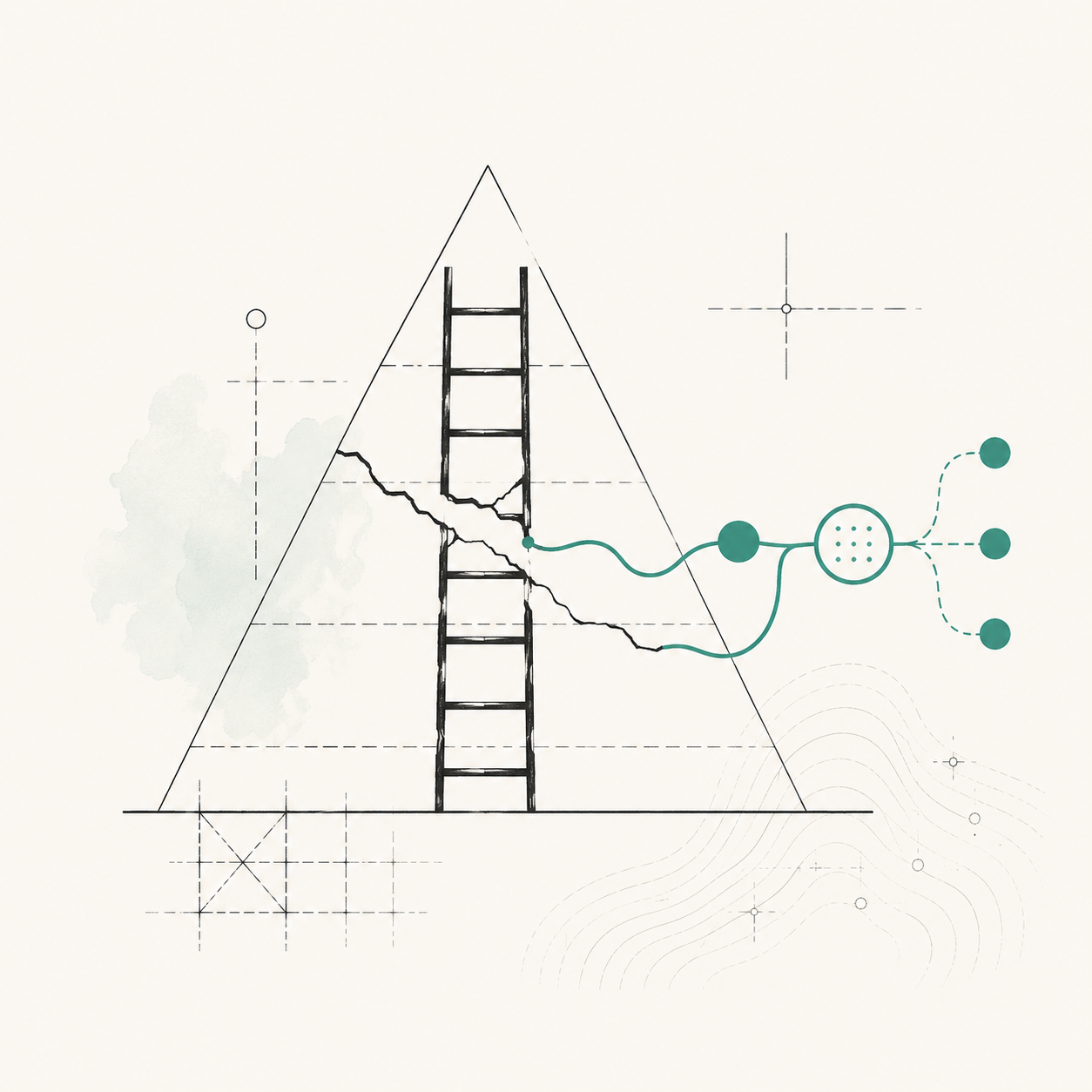
Part 2 of the Cracks in the Ladder series. Everyone’s investing in AI capability. Almost nobody is investing in protecting the human intelligence that AI is quietly replacing. Not because they don’t care – it’s because the skills most at risk are the ones hardest to identify. Not every routine task is just a routine…
-
Contextual Intelligence: The Competency That Doesn’t Appear In Competency Models
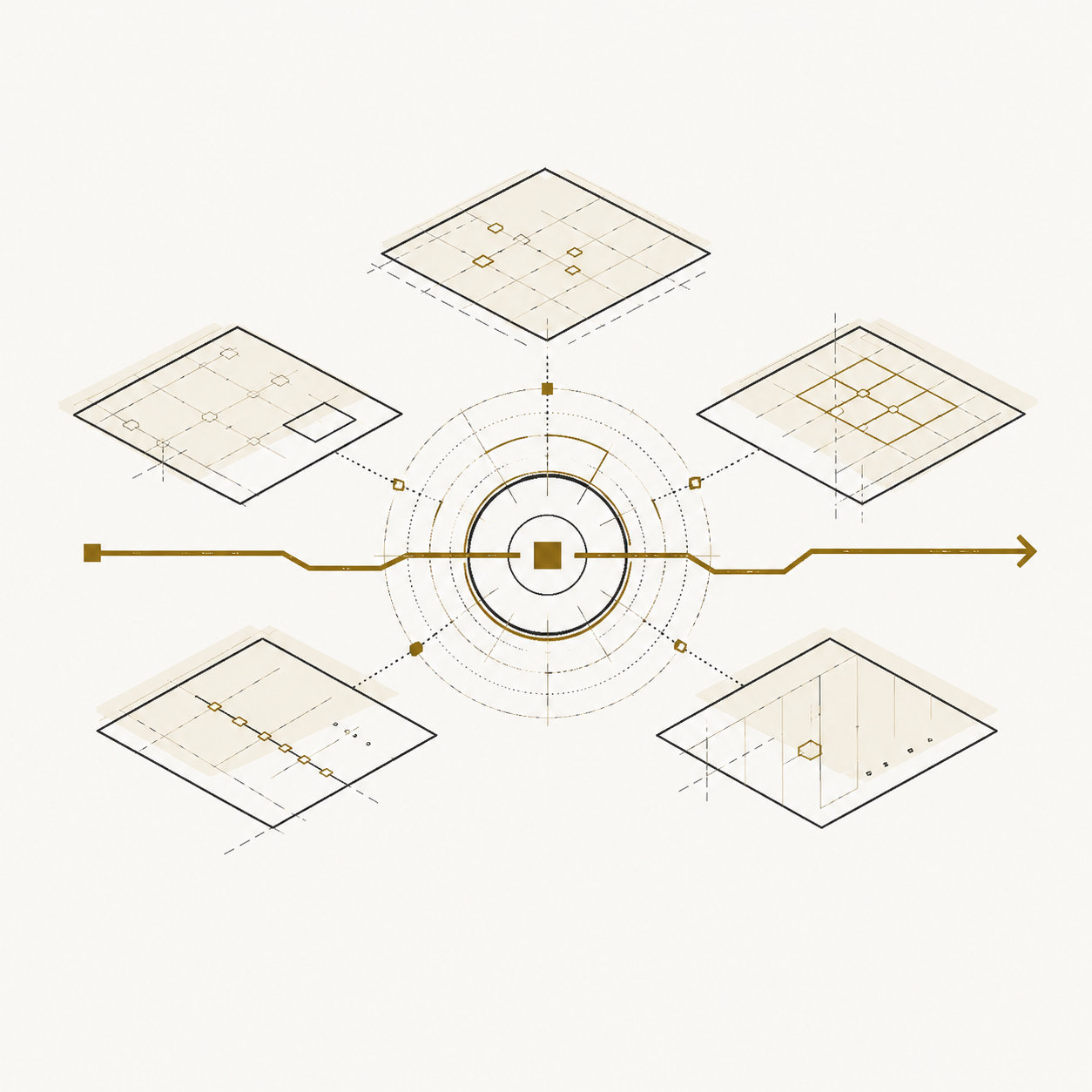
Part 6 of a series on what working across five radically different organizations taught me about the real competency behind HR effectiveness. I started this series with a story about an LMS that succeeded technically and failed politically. Over the five pieces that followed, I traced a pattern across five organizational archetypes: an offshore consulting…
-
Speed vs Precision: When Excellence Becomes The Enemy
Part 5 of a series on contextual intelligence in HR leadership. Every organization I had worked in before this one had rewarded thoroughness. At the offshore consulting firm, thoroughness was the baseline expectation. At the PSU, thoroughness earned respect, even when I failed on other dimensions. At the government ministry, thoroughness was what made the…
-
The Visibility Trap: When Smooth Becomes Invisible

Part 4 of a series on contextual intelligence in HR leadership. At the offshore consulting firm where I started my career, I was visible. I knew this at the time, and I attributed it to the quality of my work. My deliverables were sharp, my timelines were reliable, my frameworks were well-received. The feedback loop…